
Otha Lewis
Discover classical piano through personalized lessons that emphasize musical nuance and sound technique.
Loading...


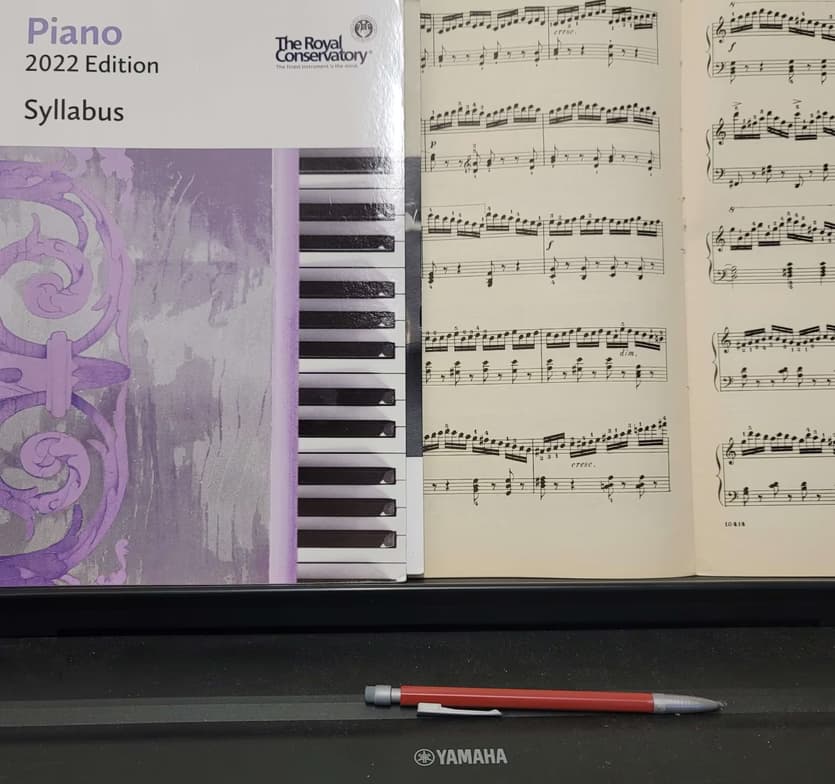
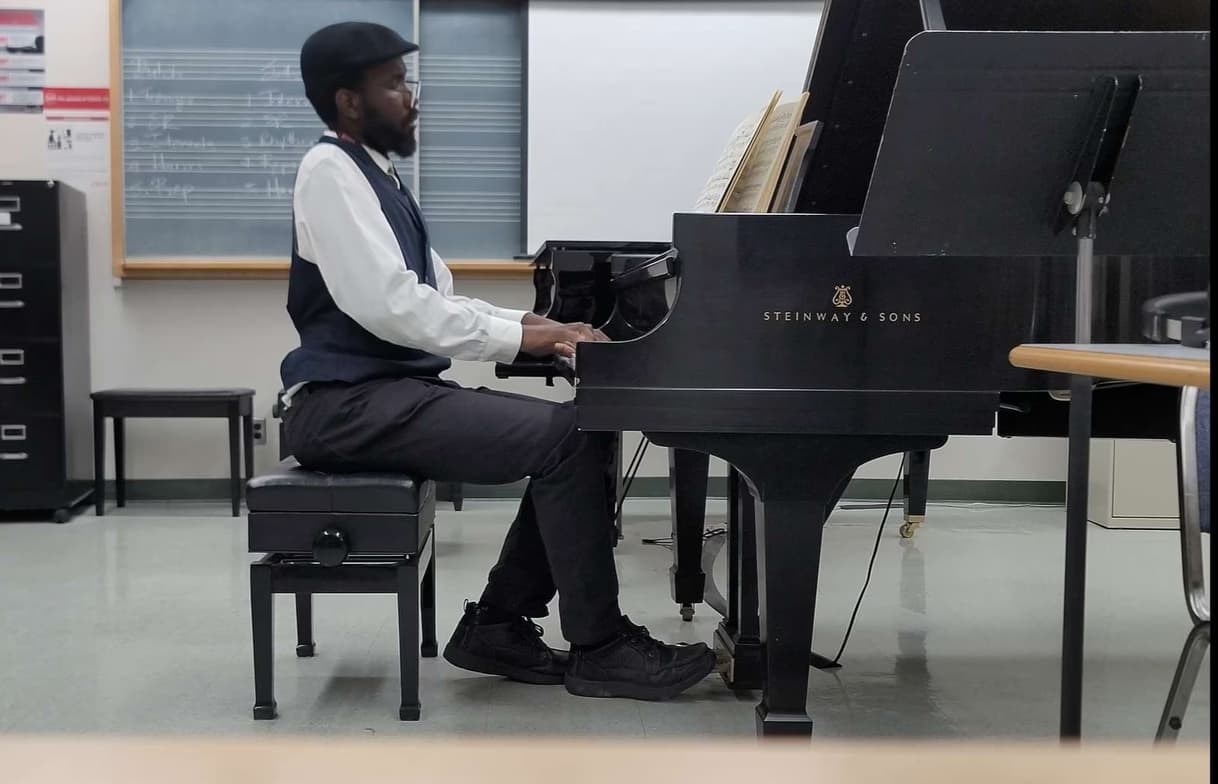
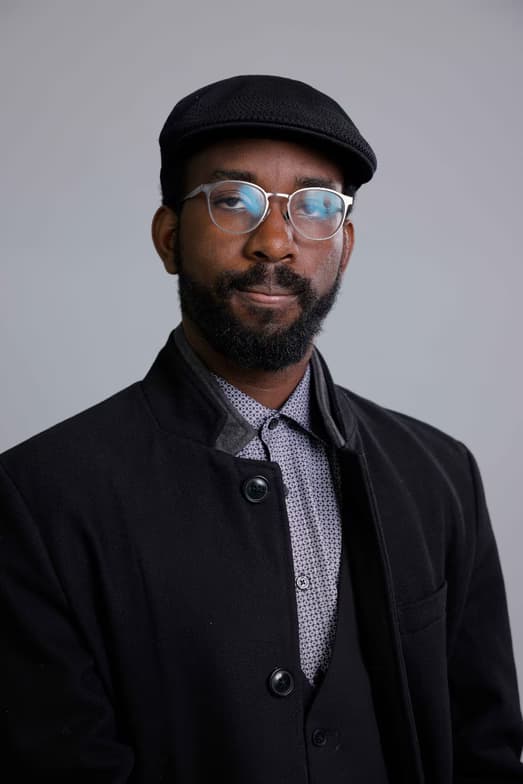
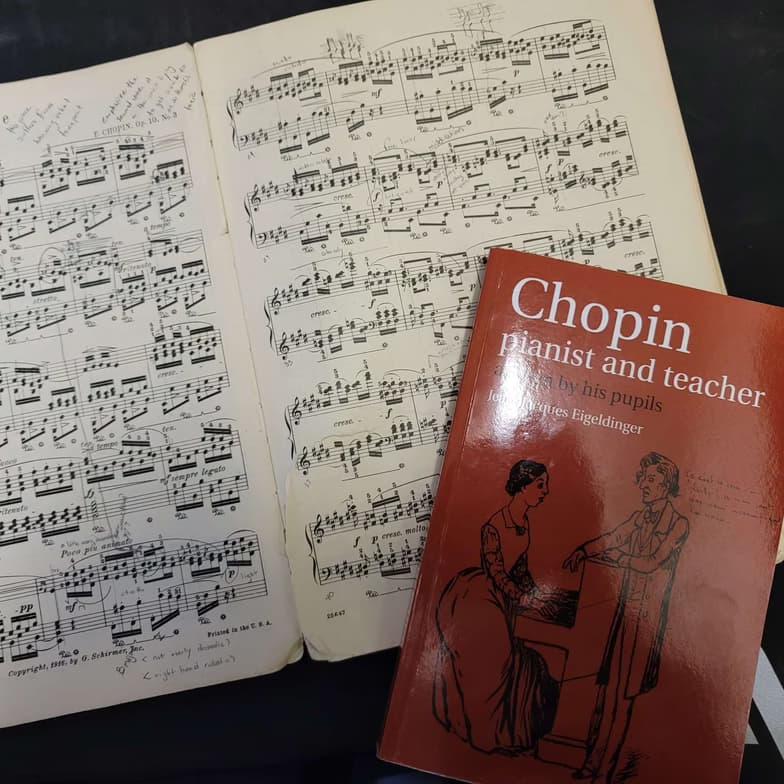
Show all photos
Otha Lewis
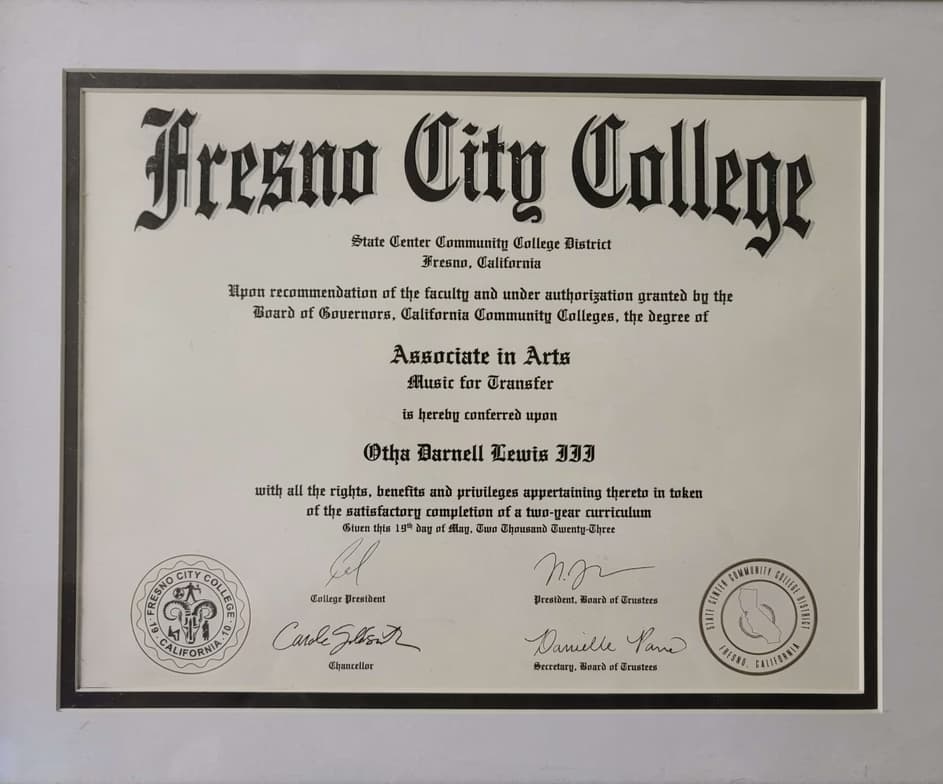
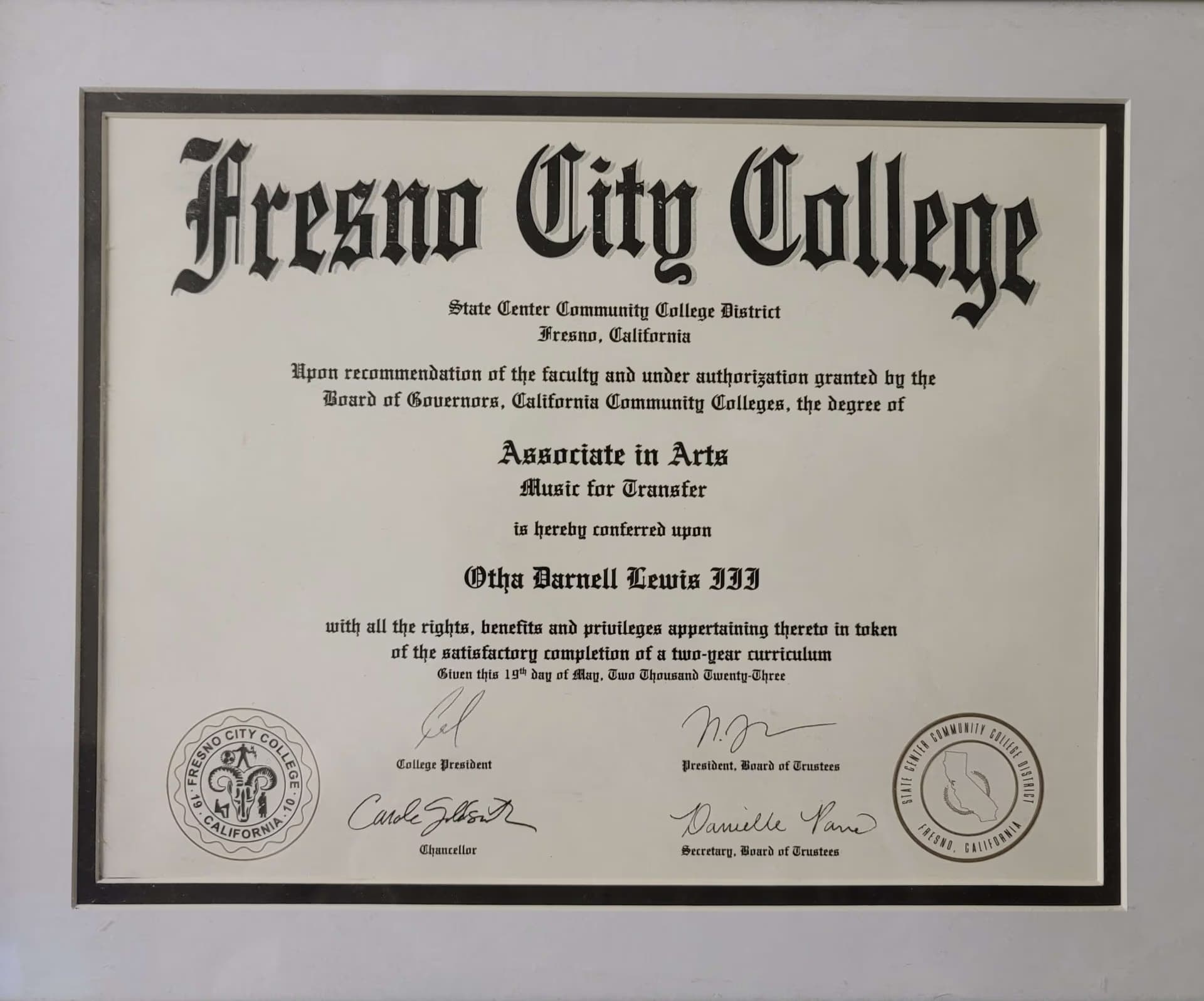
Diploma degree
Enroll after the free trial
Each lesson is 55 min
50 lessons
20% off
/ lesson
30 lessons
15% off
/ lesson
20 lessons
10% off
/ lesson
10 lessons
5% off
/ lesson
5 lessons
-
/ lesson
1 lessons
-
/ lesson
Otha - Your piano teacher
My name is Otha Lewis, an American piano teacher of 7 years teaching students in both in personal and remote capacities. I hold an Associate's Degree in Piano Performance, soon graduating with a Bachelor's from California State University - Northridge. My approach to teaching ensures that students are an active participant in their learning not just at home in the practice room or executing the performance of a piece, but understanding and critically thinking about their intent, musicality, and process. I have learned that progress happens best when a student of any level has a well-rounded understanding of multiple musical facets: history, theory, ear training, rote, technique, creativity. Every student requires a unique approach, simultaneously tuned to their strengths and improving their weaknesses. Come join me in exploring the world of music! Let's grow together as musicians!
Otha graduated from Fresno City College
Your piano teacher skills

Piano Technique
Piano Repertoire
Pedaling Techniques
Music theory
Chord Theory
Rhythm and Timing
Finger Placement & Hand Position
Types of learners for piano lessons

Piano for Intermediate
Piano for Advanced
Piano for Kids
Piano for Beginners
Piano for Adults
Piano lessons at a glance
Anyone can read a method book and attempt to apply it. I did so for 17 years before I ever sat in front of a piano teacher, internalizing the good and the bad that comes without a guide or professional direction. Of the good comes my approach to teaching, relating back to the steps I took to learn by repetition and rote, and further developing upon such a foundation with the invaluable information and practice I continue to received in my college education. Not only must a student graduate from levels of piano playing through any number of methods to evaluate progress, they must do so with a thorough comfort in multiple levels of execution. Here, I separate my approach from other teachers, favoring constructive methods of the 19th century to supplement the modern pedagogical practice. My curriculum has served over 50 students, tailored to suit students of all levels and ages, and aims to remain as open as a possible to develop supplementary material as needed, composing exercises for a specific need if warranted.
Different types of piano lessons

Piano
Grand Piano
Digital Piano
Upright Piano
Classical Piano
Flexible Scheduling
Allows 1h early scheduling
Allows 1h early rescheduling
Can wait for 20 mins after joining

.svg)
10 day Refund
.svg)
Free Tutor Swap

Piano concepts taught by Otha
The session covered music theory, focusing on the emotional context of key signatures, modulation techniques using the circle of fifths, and the application of figured bass for chord analysis. The student practiced applying these concepts to a musical piece, working on phrasing, articulation, and achieving a smooth legato sound. Future practice will involve continuing with the current piece and exploring new theoretical units.
Figured Bass and Roman Numeral Analysis
Musical Phrasing and Expression
Harmonic Progression and Related Keys
Legato and Articulation on the Piano
The tutor and student reviewed identifying key signatures and chord inversions, practicing these concepts with musical examples. They then moved on to analyzing and refining specific passages in a piano piece, focusing on rhythmic accuracy and efficient fingering. The student will continue working on these musical exercises.
Identifying Key Signatures
Chord Inversions
Rhythmic Subdivision and Counting
Efficient Fingering and Hand Position
The tutor and student worked on advanced piano technique, focusing on complex passages within a musical piece. They addressed specific fingerings, hand positions, and the use of authoritative musical scores, introducing the IMSLP website as a resource. The student was also advised to review fundamentals on time signatures and rhythm for the next session.
Separating Hands for Independent Voicing
Albert Bass Technique
Edition Creep and Score Authenticity
Hand Shape and Finger Curving
Playing "Inside" the Keys
The Tutor and Student reviewed music theory concepts including minor scales, relative keys, modes, leading tones, and key signatures. They practiced identifying these elements and worked through an exercise based on the circle of fifths and chord progressions. The session concluded with a review of the student's piano piece and practice exercises.
Relative Minor Keys
The Leading Tone and Melodic Minor
Circle of Fifths and Key Signatures
Musical Dissonance and Resolution
Piano Technique: Slurs and Tone Matching
Music History: Periods and Composers
Musical Expression: Dynamics and Articulation
Musical Form: Binary Form
The Student and Tutor analyzed Czerny's Opus 299 No. 2, focusing on identifying the climax and adding expressive interpretation. The student practiced phrasing and differentiating between melody and embellishments. Homework includes practicing the first five measures of the Czerny piece and focusing on the gesture for the grace notes for the Rondo Al Turca.
Simulating Single Bow Strokes in Piano
Elisions and False Climaxes in Music
Wrist and Finger Technique for Grace Notes
Cherney Etudes: Floral Extensions and Caned Melodies
Accents: Delicate and Unexpected
Approach & tools used in piano classes
PDF Sheet Music Libraries
Chord & Scale Reference Apps
Metronome Apps
Virtual Piano Apps
Ear Training Software
Interactive piano lessons

Parent feedback

Record lessons

Open Q&A

Chat for quick help

Note taking

Piano teachers on Wiingy are vetted for quality
Every tutor is interviewed and selected for subject expertise and teaching skill.