
Samridhi Ojha
Expert biology tutor with experience in subjects of biology for personalized & conceptual learning. Adaptive teaching for diverse learners
Loading...


Show all photos
Samridhi Ojha
Masters degree
Enroll after the free trial
Each lesson is 55 min
50 lessons
20% off
/ lesson
30 lessons
15% off
/ lesson
20 lessons
10% off
/ lesson
10 lessons
5% off
/ lesson
5 lessons
-
/ lesson
1 lessons
-
/ lesson
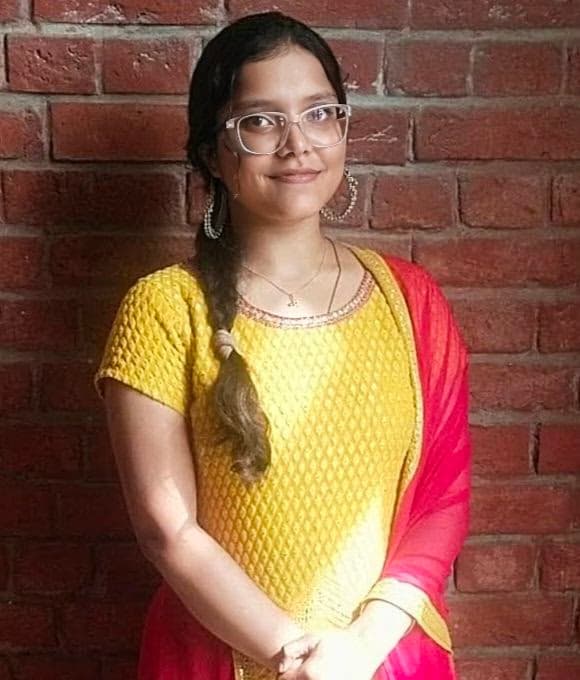
Your biology tutor - Samridhi
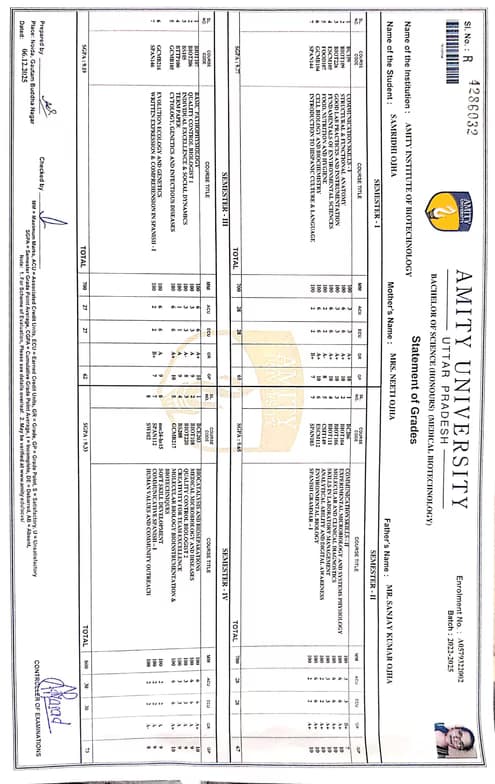
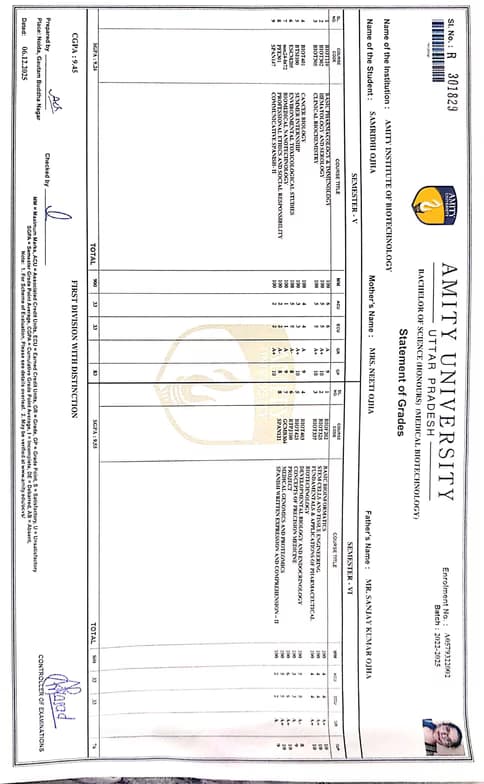
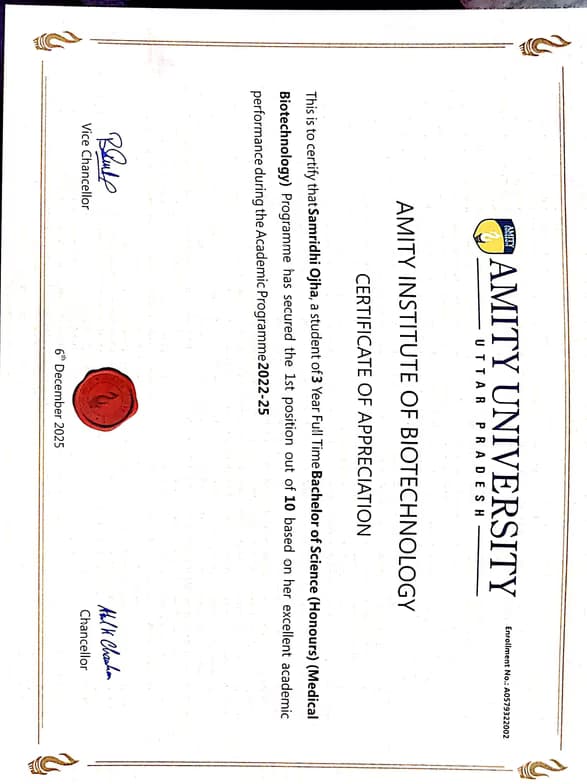
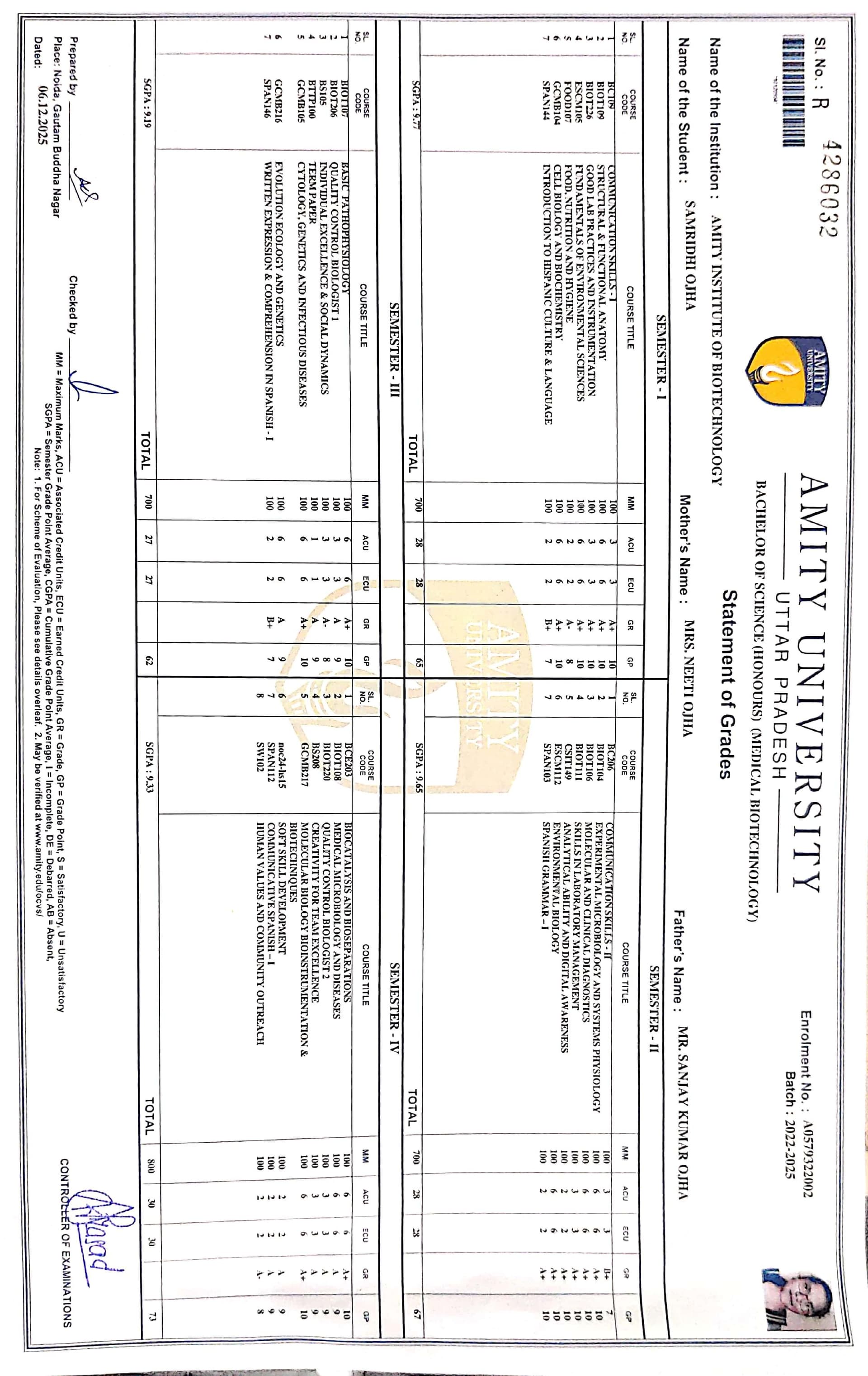
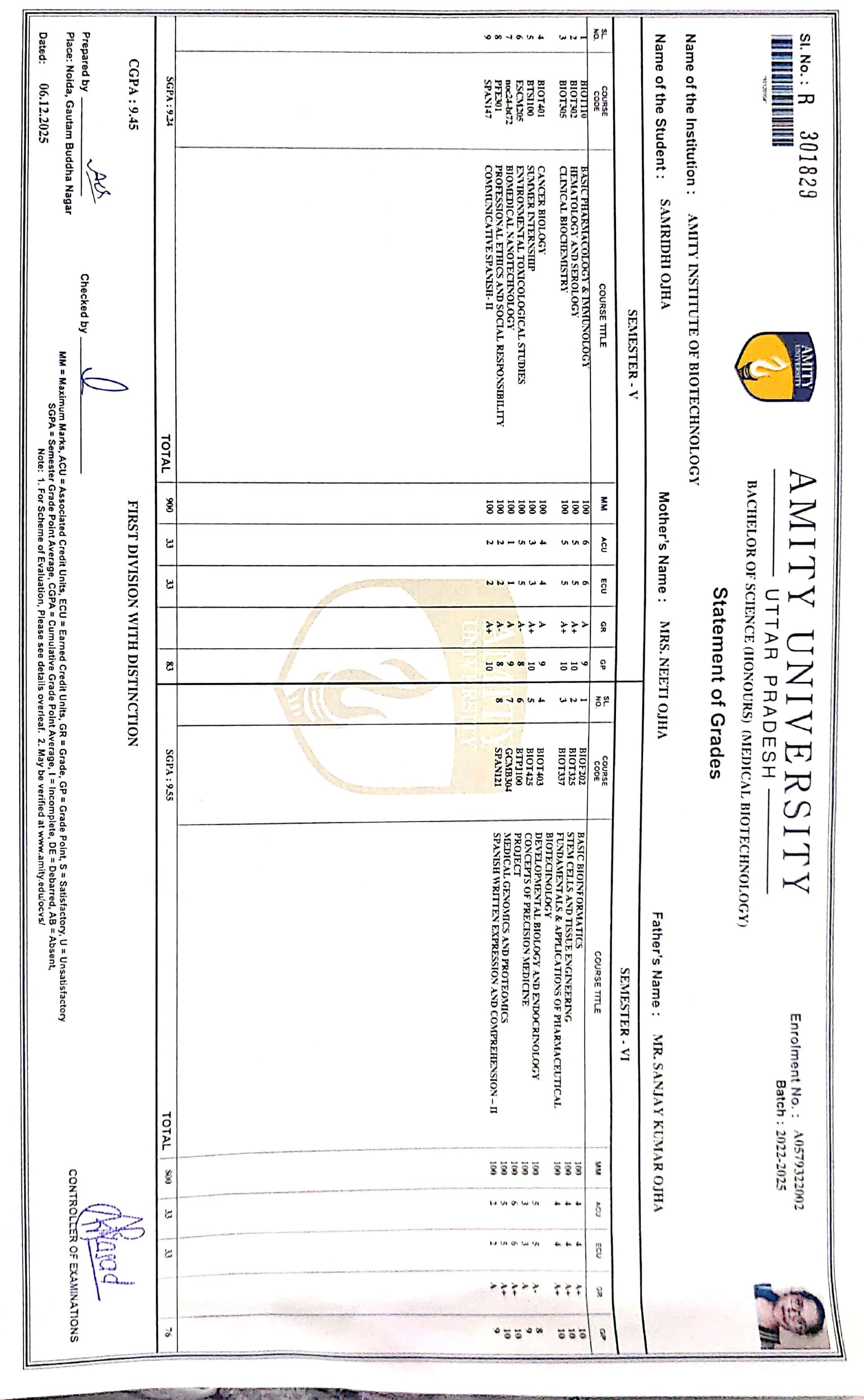
I am Samridhi Ojha, armed with a bachelor's degree in medical biotechnology and master's in food technology. Teaching has been a highly enriching experience that strengthened both my academic foundation and personal skills. I taught Biology as the core subject, covering topics such as Cell Biology, Microbiology, Genetics, and Human Physiology, along with General Science, Basic Chemistry, and foundational Mathematics. While teaching Cell Biology and Genetics, I focused on concepts like cell organelles, mitosis and meiosis, DNA structure, Mendelian inheritance, and genetic disorders using diagrams and step-by-step explanations. In Microbiology, I introduced microorganisms, infectious diseases, immunity, and hygiene practices, relating them to real-life applications. I emphasized conceptual clarity over rote learning, encouraged questions, and adapted teaching methods to suit different learning styles. This experience improved my communication skills, patience, and ability to simplify complex scientific concepts while fostering a positive and engaging learning environment. Come on then, what are you waiting for? join me on this journey and begin your academic succession
Meet Samridhi
Samridhi graduated from Defence institute of advanced technology
Academic expertise of your biology tutor

Common Core State Standards - CCSS (USA)

Australian Curriculum (AU)

Personalized learning plans

Homework help

Advanced Placement (AP) Program (USA)
Career guidance
Biology experiments

A-Levels (UK)
Visual learning

New Zealand Curriculum - NZC (NZ)

GCSE (UK)
Test prep strategies
Types of students for biology class

College students
Middle School students
Elementary School students

Learning Disabilities

ASD

Home schooled
High School students

Anxiety or Stress Disorders

ADHD
Biology class overview
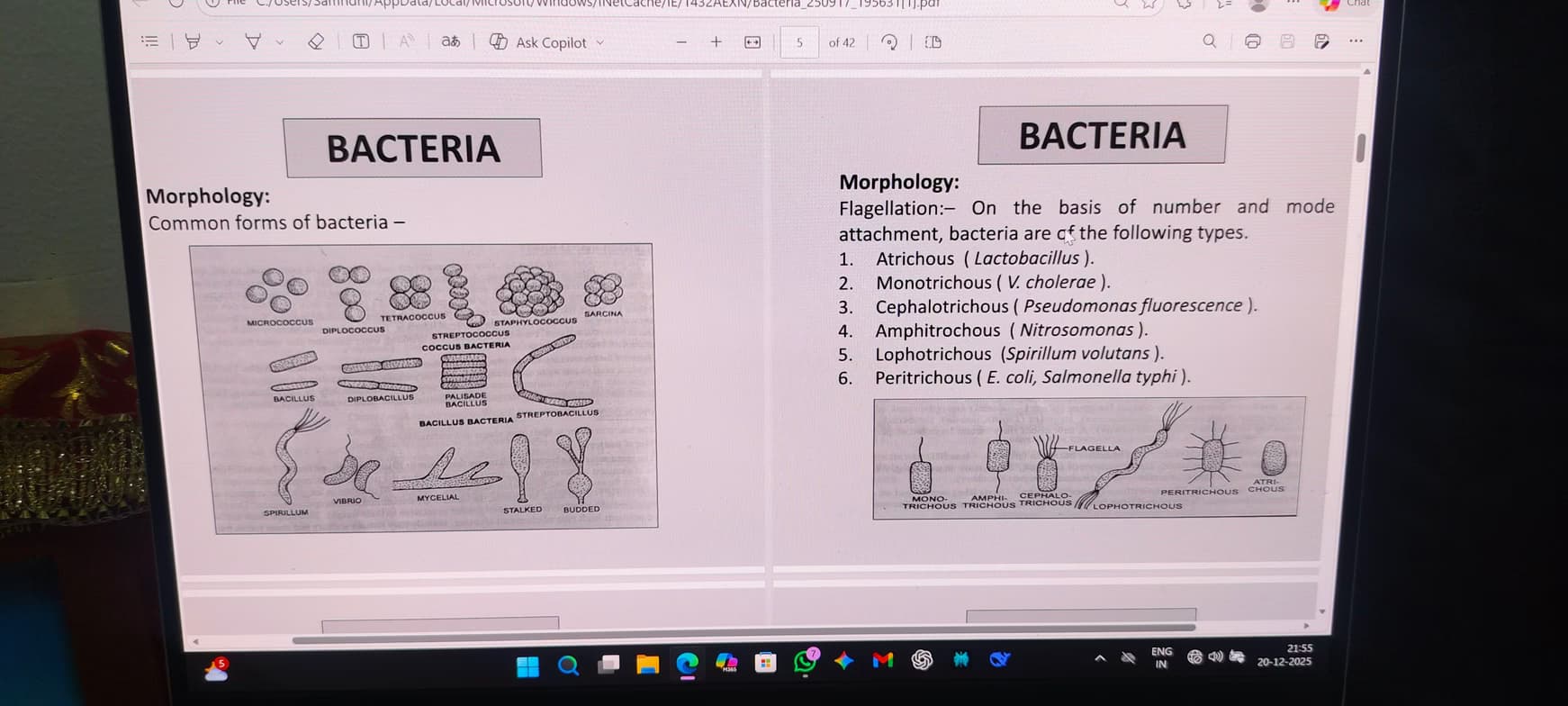
I aim for making learning not only fun but also engaging. My teaching methodology is student-centered and concept-oriented, focusing on clarity, engagement, and adaptability. I begin each topic by assessing students’ prior knowledge and then introduce concepts using simple language, real-life examples, and visual aids such as diagrams and flowcharts, especially for subjects like Biology and Genetics. I follow a step-by-step approach for complex processes and encourage active participation through questioning and discussion. To address diverse learning styles, I combine visual, auditory, and practice-based methods. Regular assessments, doubt-clearing sessions, and constructive feedback help reinforce learning and track progress. I emphasize understanding over memorization, creating a supportive environment where students feel confident to ask questions and think critically.
Your biology tutor also teaches

Biology
Botany
Cell biology
Genetics
Microbiology
Zoology
Flexible Scheduling
Allows 1h early scheduling
Allows 1h early rescheduling
Can wait for 20 mins after joining

.svg)
10 day Refund
.svg)
Free Tutor Swap

Biology concepts taught by Samridhi
The student and tutor reviewed fundamental concepts of acids and bases, starting with the Arrhenius and Brønsted-Lowry theories. They discussed conjugate acid-base pairs, dissociation constants (Ka), pH, and pKa, including how to calculate them. The tutor planned to cover buffer systems and the Henderson-Hasselbalch equation in future sessions.
Dissociation Constant (Kₐ) and pH
Conjugate Acid-Base Pairs
Arrhenius Theory
Brønsted-Lowry Theory
Amphoteric Substances
The tutor provided an overview of the AP Biology unit on Ecology. Topics covered included environmental responses, energy flow through ecosystems (including the 10% Law), population growth models (J and S curves), factors affecting population density, population distribution, and interspecies interactions. The next session will begin with the first topic in detail, and scheduling was confirmed for Sundays.
The 10% Law: Energy Transfer Efficiency
Population Ecology: Understanding Growth Patterns
Ecological Niche: An Organism's Role
Ecology: The Study of Interactions
Energy Flow in Ecosystems: The Unidirectional Path
The Tutor and Student delved into molecular biology, focusing on RNA interference (RNAi) mechanisms, miRNA and siRNA processing, and the roles of associated protein complexes like RISC. They also explored tRNA and mRNA processing, including splicing and modifications, and discussed transcription factor roles and gene expression regulation. The session concluded with a review of a problem set covering these topics.
miRNA Processing
Spliceosome and Alternative Splicing
tRNA and mRNA Processing
siRNA and its Pathways
RNA Interference (RNAi)
The session covered the molecular mechanisms of gene regulation, focusing on the tryptophan operon in bacteria and the processes of RNA interference (RNAi) using siRNA and miRNA pathways. The tutor and student planned to revisit RNA interference and work through a problem set in a follow-up session.
Tryptophan Operon: Repressible System
Attenuation: A Secondary Regulatory Mechanism
RNA Interference (RNAi)
The Tutor and Student reviewed evidence for evolutionary theory, including fossils, comparative anatomy, molecular evidence, biogeography, and phylogenetic trees. They then practiced applying these concepts by working through several multiple-choice questions related to natural selection and evolutionary adaptations. The next session is planned for Sunday to continue practice questions or begin a new unit on ecology, depending on the Student's test performance.
Fossils as Evidence for Evolution
Comparative Anatomy: Homologous and Analogous Structures
Molecular Evidence for Evolution
Biogeography and Phylogenetics
The Tutor and Student reviewed concepts of adaptation and speciation, including allopatric and sympatric speciation. They then practiced solving numerical problems related to Hardy-Weinberg equilibrium, calculating allele frequencies, genotype frequencies, and carrier percentages, with plans to continue with student-shared questions next session.
Adaptation
Speciation
Reproductive Isolation
Hardy-Weinberg Equilibrium
Teaching tools used by biology tutor

Quizzes
Video conferencing

Assessments

Digital whiteboard

Presentations
Hands-on biology lessons

Mobile joining

Parent feedback

Pets are welcomed

Record lessons

Chat for quick help

Biology tutors on Wiingy are vetted for quality
Every tutor is interviewed and selected for subject expertise and teaching skill.