
Priyanka Singh
Concept Driven Chemistry Teaching for Strong Fundamentals and Exam Excellence for students.
Loading...


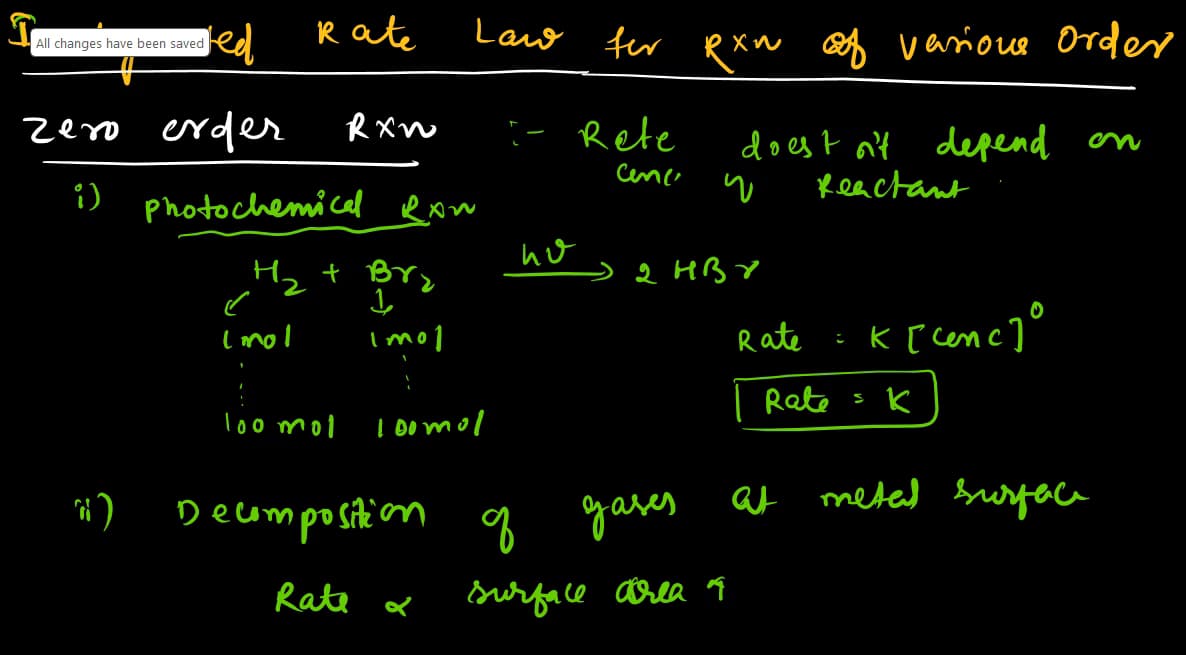

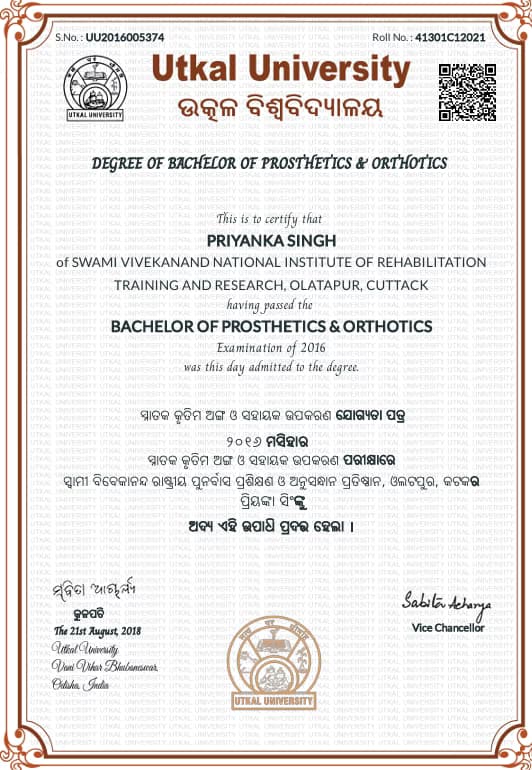
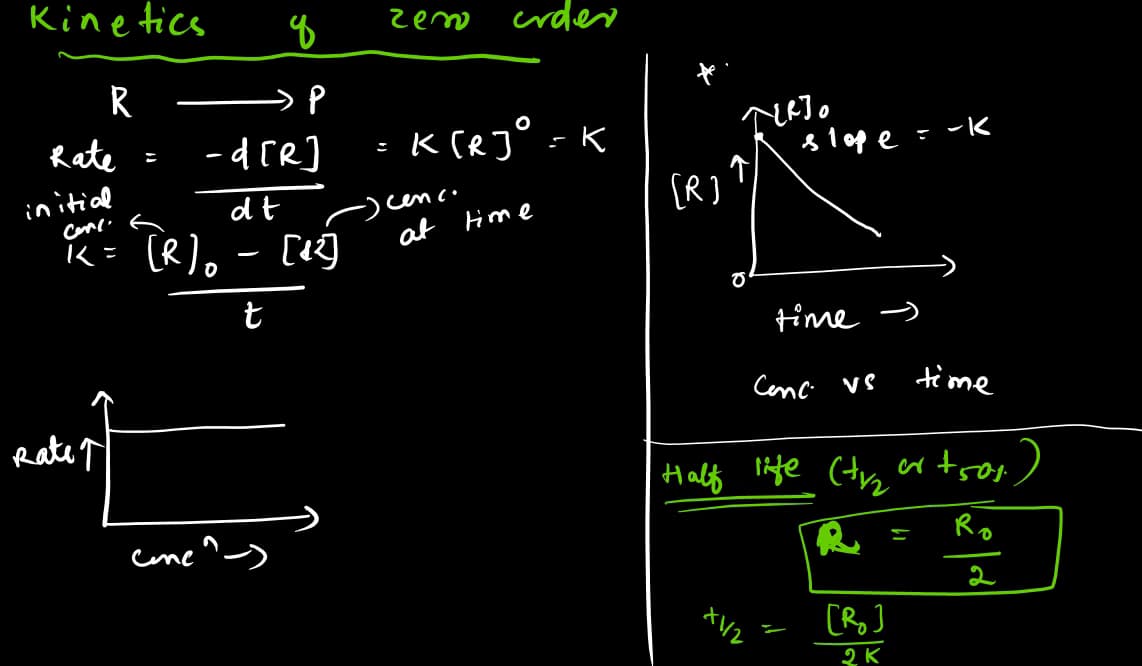

Show all photos
Priyanka Singh
Bachelors degree
Enroll after the free trial
Each lesson is 55 min
50 lessons
20% off
/ lesson
30 lessons
15% off
/ lesson
20 lessons
10% off
/ lesson
10 lessons
5% off
/ lesson
5 lessons
-
/ lesson
1 lessons
-
/ lesson
Priyanka Your chemistry tutor
I am Priyanka Singh, a dedicated and passionate Chemistry tutor with more than 6 years of teaching experience. Over the years, I have worked with students from elementary, middle school, and senior secondary levels, helping them build strong conceptual clarity and confidence in Chemistry. I specialize in topics such as Atomic Structure, Chemical Bonding, Chemical Reactions, Acids and Bases, Organic Chemistry, and other core areas of the subject. My teaching approach focuses on simplifying complex concepts using real-life examples, step-by-step explanations, and practical applications so that students can understand rather than memorize. I strongly believe that every student learns differently, so I design personalized learning plans based on individual strengths and weaknesses. Along with concept building, I also help students with homework, exam preparation strategies, revision techniques, and doubt-solving sessions. My goal is not only to improve academic performance but also to develop curiosity and a genuine interest in Chemistry, making learning an engaging and enjoyable journey for every student.
Meet Priyanka
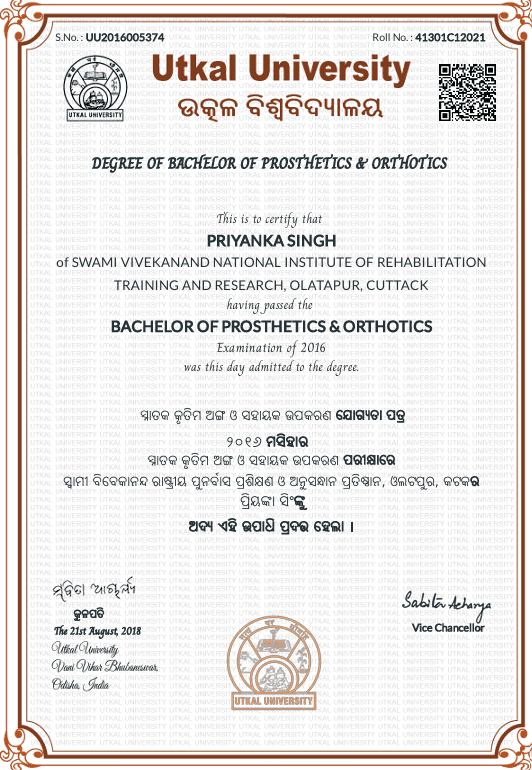
Priyanka graduated from SVNIRTAR
Specialities of your chemistry tutor

Review sessions
Career guidance
Yes
Test prep strategies
Real world application

Chemistry experiments
Types of learners for chemistry class

Anxiety or Stress Disorders

High School students
College students
Middle School students
Elementary School students
Chemistry class overview
My teaching method is student-centered, concept-driven, and result-oriented. I begin every topic by understanding the student’s current level of knowledge and clearing their basic concepts before moving to advanced ideas. Complex Chemistry topics are broken down into simple, logical steps using clear explanations, diagrams, and real-life examples so that students can easily grasp and retain the concepts. I focus strongly on conceptual clarity rather than rote learning, which helps students apply concepts confidently in exams. Regular practice questions, examples, and short assessments are included in my teaching to track progress and identify weak areas. I encourage students to ask questions freely and create a supportive learning environment where doubts are addressed patiently. My teaching also includes exam-oriented strategies such as time management, smart problem-solving techniques, and revision methods. Homework support, regular feedback, and personalized study plans ensure continuous improvement.I teach through Google meet,zoom.My goal is to make Chemistry interesting, understandable, and stress-free while helping students achieve academic excellence.
Your chemistry tutor also teaches

Chemistry
Organic Chemistry
Chemical Reactions
Physical Chemistry
Inorganic Chemistry
Atomic Structure
Flexible Scheduling
Allows 1h early scheduling
Allows 1h early rescheduling
Can wait for 20 mins after joining

.svg)
10 day Refund
.svg)
Free Tutor Swap

Chemistry concepts taught by Priyanka
The tutor and student reviewed coordination compounds, differentiating between double salts and complex compounds. They extensively covered the nomenclature of coordination compounds, including identifying and naming ligands, central metal atoms, and applying IUPAC naming rules for various complex ions. The student practiced naming complex compounds with different types of ligands.
Double Salts vs. Complex Compounds
UPSC Nomenclature of Coordination Compounds
Ligand Classification and Denticity
Components of a Complex Ion
The student and tutor reviewed the definition and classification of matter, including its states (solid, liquid, gas) and their properties. They then discussed changes in states of matter and introduced the concept of atoms, their subatomic particles, and the difference between atoms and molecules. The discussion also touched upon the lack of a standardized curriculum and textbooks for the student's grade level.
Matter and Its States
Changes of State
Atoms and Subatomic Particles
Molecules: Atoms Bonded Together
The tutor and student reviewed acid-base titrations, covering different types of titrations, titration curves, the use of indicators, and calculations for equivalence points. They practiced solving problems related to titrations, and planned to cover complex ions in coordination compounds in the next session.
Acid-Base Titration
Indicators and pH Ranges
Equivalence Point vs. Endpoint
Polyprotic Acids and Multiple Equivalence Points
The tutor and student reviewed E/Z isomerism in organic chemistry, focusing on substituent priority rules and the application of these rules to double and triple bonds. They also practiced identifying and differentiating between elimination and substitution reactions, and determined major and minor products of elimination reactions using regiochemistry rules.
Nucleophilic Substitution (SN2)
Chirality and Stereocenters
E/Z Isomerism Priority Rules
Elimination Reactions (E1 vs. E2)
The student and tutor reviewed the mechanisms of SN1, SN2, and elimination reactions, focusing on factors influencing the reaction pathway such as substrate structure, solvent, and nucleophile/base strength. They practiced predicting the outcome of substitution and elimination reactions based on given conditions, and the student identified which substrates would proceed via SN1.
SN2 Reaction Mechanism
Carbocation Stability and Reaction Rates
Elimination Reactions (E1 and E2)
SN1 Reaction Mechanism
The Tutor and Student reviewed stereochemistry concepts including E/Z isomerism and R/S configurations. They practiced assigning priorities, determining configurations from different representations like wedge-dash and Fischer projections, and discussed IUPAC nomenclature with stereochemical descriptors. The Student has an exam on Wednesday and plans to schedule another class.
E/Z Isomerism (Geometric Isomerism)
Fischer Projections
R/S Configuration (Chirality and Enantiomers)
Tools & techniques used by chemistry tutor

Presentations

Assessments
Interactive diagrams
Video conferencing

Digital whiteboard
Digital Note taking
Interactive chemistry lessons

Mobile joining

Chat for quick help

Parent feedback

Record lessons

Weekend lessons

Chemistry tutors on Wiingy are vetted for quality
Every tutor is interviewed and selected for subject expertise and teaching skill.